Vajradhara Thangka A Window into Tibetan Mystical Heritage
Vajradhara Thangka A Window into Tibetan Mystical Heritage
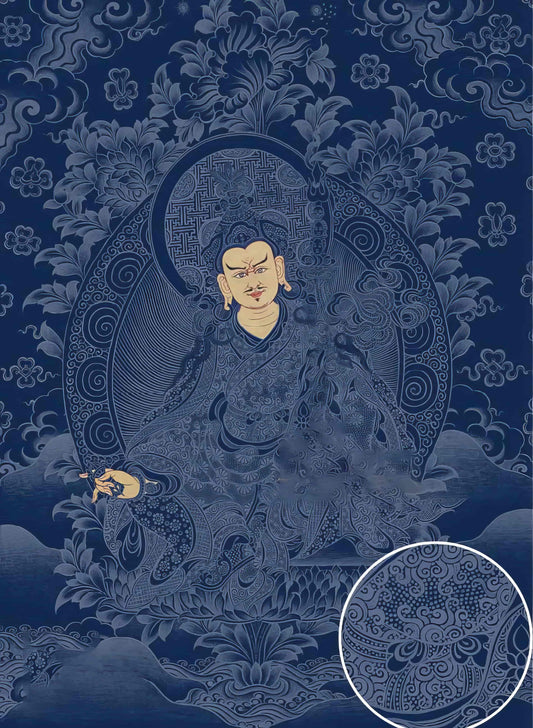
The Vajradhara, a figure of boundless tranquility, occupies a serene yet commanding presence at the heart of Tibetan Buddhist art. His celestial blue form is often central in thangkas, linking the viewer to the primordial nature of all buddhas. This thangka, with its intricate designs and vibrant hues, serves not just as an object of aesthetic appreciation, but as a tool for spiritual development and connection.
Vajradhara, also known as the "Bearer of the Vajra," symbolizes the union of wisdom and compassion. In Tibetan iconography, he is depicted seated in meditation, holding a vajra and bell crossed at his heart. The symbolism here is profound: the vajra represents compassion and skillful means, while the bell embodies wisdom. Together, they depict the path to enlightenment. Each stroke used to render these symbols in a thangka is deliberate, carrying age-old techniques that have been meticulously passed down through generations.
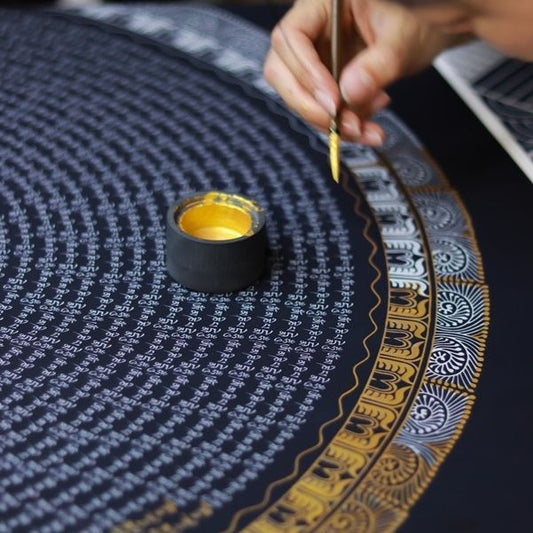
Creating a Vajradhara thangka is no simple task. It requires years of rigorous training under the watchful eye of a master artist. The journey begins with learning to craft the perfect canvas, often with handwoven materials that receive multiple coatings before they are deemed ready for paint. Artists then use natural pigments, a rainbow palette derived from minerals, plants, and precious stones, carefully ground and mixed to create vivid colors that endure through centuries. Imagine the depth of lapis lazuli blues and rich ochres glowing beneath the surface of these masterpieces; their radiance is built from nature itself.
One cannot overlook the spiritual discipline involved in thangka creation. Artists engage in meditation and rituals before beginning their work, embodying a practice as sacred as the art they produce. This devotion is evident in the precision and harmony of the image, conveying Vajradhara’s serene yet powerful nature. His serene gaze invites contemplation, ushering practitioners toward deeper understanding and mindfulness.
Historically, Vajradhara’s image has transcended mere artistic boundaries. It serves as a focal point in Tibetan monasteries, where monks gather for teachings and meditation. This figure of enlightenment finds origin in the esoteric traditions of the Indian mahasiddhas and has traveled through centuries, across lands, continually shaping and being shaped by the cultures it touches. The thangka, both fragile and enduring, becomes a living history, speaking of journeys spiritual and physical, of lives intertwined with art's sacred thread.
For those of us in the West, these thangkas may resonate differently. Perhaps they invite us to pause in our bustling lives, offering a moment of stillness and reflection. Or maybe they kindle curiosity about a culture that holds art and spirituality hand in hand. What remains certain is that each Vajradhara thangka is a labor of love, an invitation to explore timeless wisdom through the lens of artistry—crafted with heart and soul.
In contemplating a Vajradhara thangka, we engage in a conversation across time and space, bridging worlds with the stroke of a brush. Perhaps that’s what makes standing before one feel so profoundly human, after all.