Unveiling the Mystical World of Tibetan Buddhist Thangkas
Unveiling the Mystical World of Tibetan Buddhist Thangkas
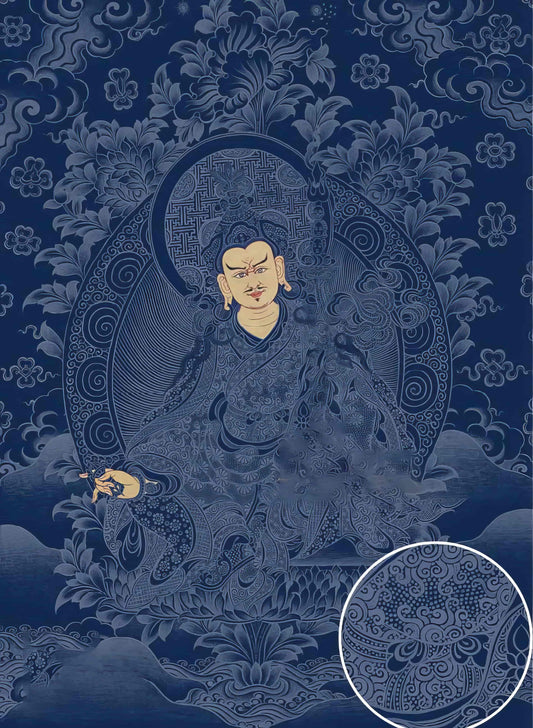
Imagine standing in a dimly lit room in the heart of Lhasa, where the air is tinged with the scent of incense and anticipation. Before you hangs a thangka, a traditional Tibetan Buddhist scroll painting, vibrant with color and detail. It’s as though each brushstroke whispers stories of devotion and spiritual pursuit. When I first encountered a thangka, I was mesmerized by the layers of meaning woven into the fabric as much as the pigments that brought it to life.
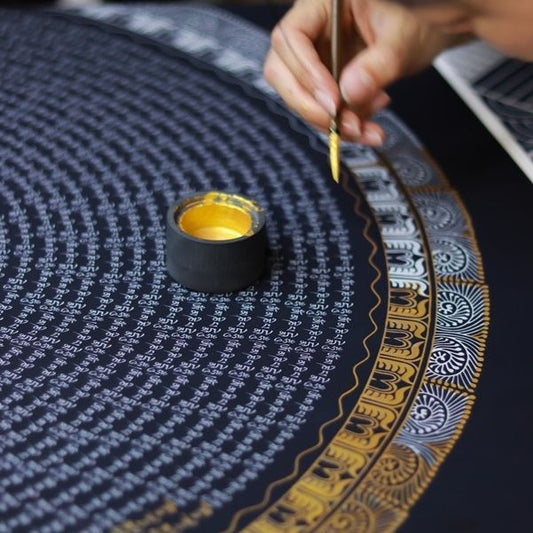
The creation of a thangka is no simple affair; it is a labor of love and discipline, rooted deeply in spiritual practice. Traditionally, the journey of becoming a thangka artist begins young. An apprentice sits quietly with a master, absorbing not only the techniques but also the philosophies that underpin Tibetan Buddhism. The relationship is akin to a sacred transmission, a lineage of wisdom passed hand-to-hand through generations. This is more than just art; it's an act of devotion.
The pigments used in these paintings are sourced from nature. Minerals, plants, and gold provide the vivid palette that makes these works shine. It's fascinating to think that the lapis lazuli blue that captures the serene skies or the crushed cinnabar that defines a deity’s robe are chosen not just for aesthetic reasons but for their symbolic meanings. Lapis, for instance, is associated with healing and protection. As each pigment is meticulously applied, it breathes life into the forms and spaces on the canvas, becoming a bridge between the earthly and the divine.
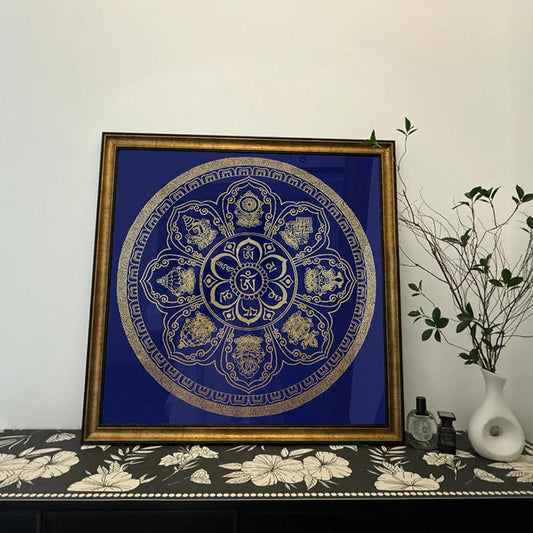
Symbolism in thangkas acts like a language of its own, weaving stories and teachings through every motif and hue. Consider the image of the lotus, its petals unfurling amidst whorls of color. In Tibetan Buddhism, the lotus represents purity and enlightenment, growing out of muddy waters yet remaining unstained. It's a gentle reminder of the potential for beauty and growth amidst life's challenges. Every deity, posture, and object holds specific meanings, a visual representation of complex teachings meant to guide practitioners on their spiritual paths.
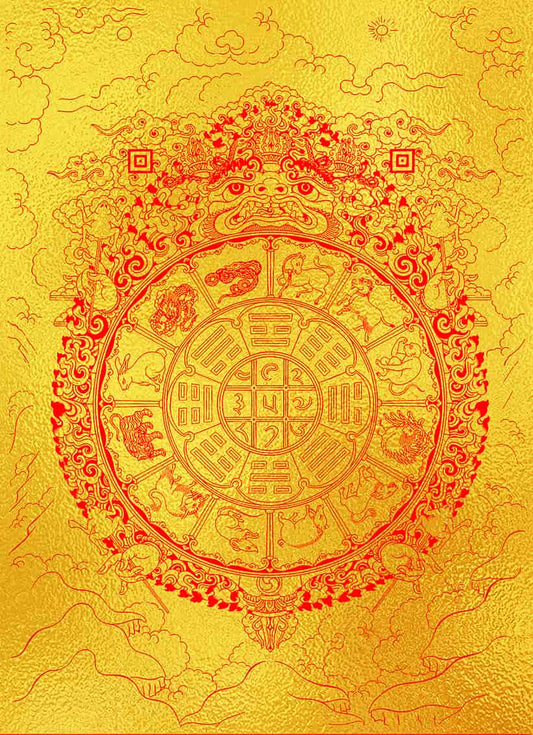
One thangka that particularly captured my imagination depicted the Wheel of Life, a detailed mandala illustrating the cycle of birth, life, death, and rebirth. It narrates a tale of samsara, the Buddhist cycle of existence, with Yama, the lord of death, clutching the wheel. Each segment of the wheel contains myriad scenes, illustrating the human condition's impermanence and the potential for liberation. Standing before it, I felt as though I was gazing not just at a piece of art but at an entire cosmology captured in strokes of gold and ochre.
Each time I explore thangkas, I'm reminded of the delicate balance of tradition and personal connection. These pieces aren’t just to be admired for their beauty; they invite us to witness the intertwining of culture, religion, and art. They offer a glimpse into a world where art serves as a mirror reflecting inner truths and guiding one's journey toward understanding.
The next time you encounter a thangka, I encourage you not just to look, but to see. Listen to what it might whisper to you across cultures and time. You might find, as I did, that these scrolls open doors not only to the divine but to the deeper chambers of your own heart.