Tibetan Skull Beads Threads of Impermanence
Tibetan Skull Beads Threads of Impermanence
Tucked within the vibrant tapestry of Tibetan culture, skull beads hold a profound place, a testament to the unyielding connection between life, death, and rebirth. Contrary to Western associations of skulls with morbidity, Tibetan skull beads are imbued with rich spiritual symbolism, reminding us of life's ephemeral nature and the importance of living with intention.
Imagine a string of beads, each one meticulously carved into a tiny human skull. Often made from bone or yak horn, these beads invite a tactile experience, linking the wearer to a lineage of artisans and spiritual seekers who have grappled with the same cosmic questions. These materials are not chosen haphazardly; they are a nod to the Buddhist teachings of impermanence. Bone carries an intrinsic connection to life that once was, creating a physical and symbolic reminder of our own fleeting existence.
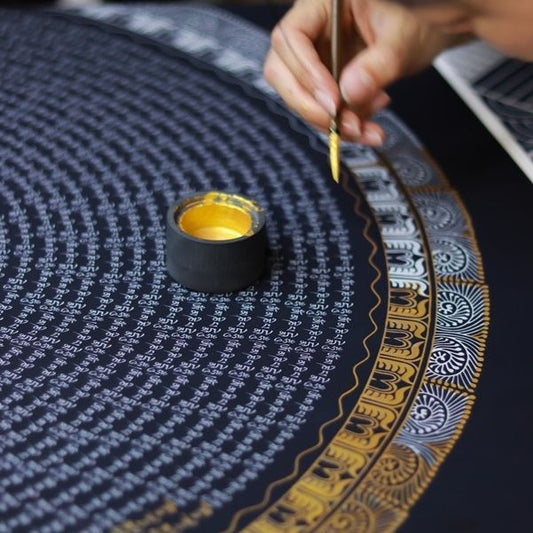
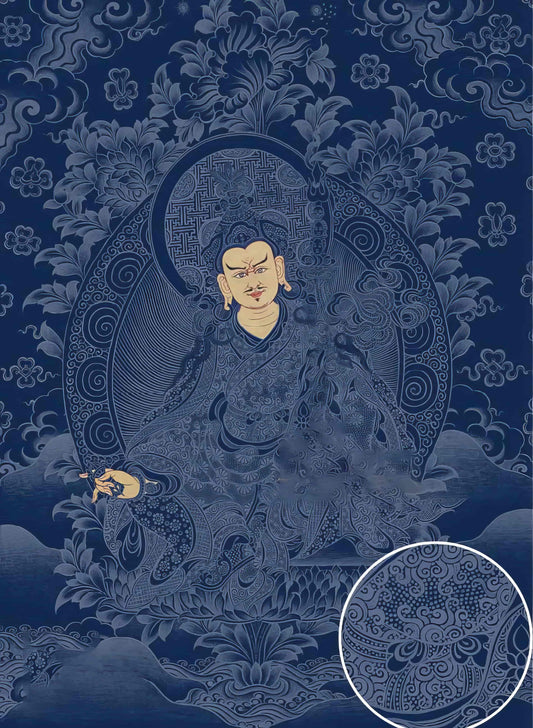
In the thangka painting tradition, similar themes of impermanence are woven into the canvas. Every brushstroke is deliberate, each color mixed with natural pigments—ground stones, plants, and even gold. These paintings are more than just aesthetic pieces; they are visual scriptures. Much like the skull beads, thangkas serve as meditative tools, guiding practitioners to confront the transient nature of life and cultivate a deeper understanding of one's place within the grand cycle of samsara.
The beads, often strung into malas or prayer garlands, act as more than mere adornments. Just as a thangka painter devotes years to mastering their craft through rigorous training and spiritual discipline, the making and use of skull beads demand a similar dedication. A mala is traditionally comprised of 108 beads—a sacred number in Buddhism—used in mantra recitations, each bead helping to keep count while centering the mind. The skull bead types often cap off this cycle, serving as a subtle reminder of the spiritual journey's ultimate goal: liberation from the cycle of death and rebirth.
One could argue that these beads also mirror a certain cultural pragmatism. Life in the Tibetan highlands is marked by harsh conditions, where survival hinges upon the acceptance of life's impermanence. Tibetan art, with all its complexity and layered symbolism, never feels like an escape from reality. Instead, it is an embrace, a way to confront and find beauty within the temporary.
While skull beads have made their way into Western fashion accessories, detached from their deeper meanings, I like to believe that even worn in casual indifference, they carry an unconscious whisper of their origins. They serve as cultural emissaries—a conversation starter, perhaps, about the vast stories and wisdom embedded in Tibetan traditions.
Next time you come across a Tibetan skull bead, take a moment. Let your fingertips trace its contours, and think of the artisans who carved it, the spiritual seekers who counted their prayers upon it, and the timeless message it carries. In a world obsessed with permanence, these tiny skulls tell us a truth as old as time itself: all things must pass, and therein lies their beauty.